
History of Zanzibar
Zanzibar has a complex and colorful history which you will notice as soon as you step a foot on the island. The name itself sounds like something straight out of Arabian Nights and inspiring daydreams of exotic markets, extraordinary landscapes, and vibrant cultural heritage.
Zanzibar often referred to as The “Spice Island” have attracted travelers for centuries. From the Persians to the Sumerians, the British to the Chinese. Some, like the Omanis and the Portuguese, settled here to rule, and in every corner of this beautiful archipelago you will see the influence of various cultures and traditions.
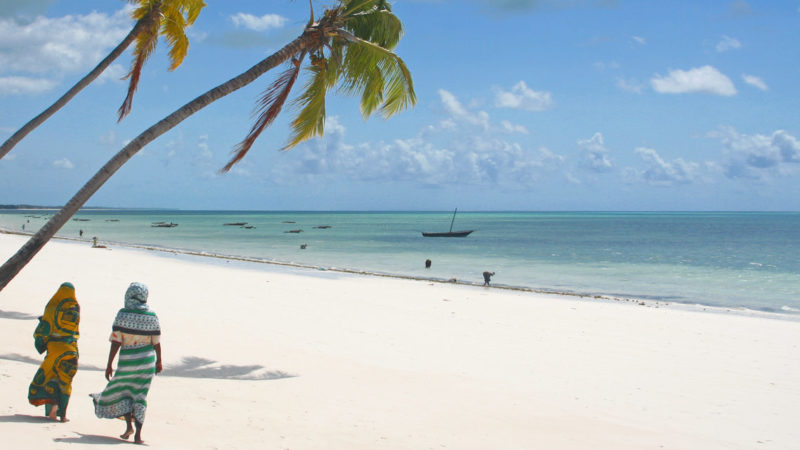
Zanzibar’s history dates back more than 20,000 years. In 2005, tools from the Later Stone Age were found at the Kuumbi Caves in Southeastern Zanzibar.
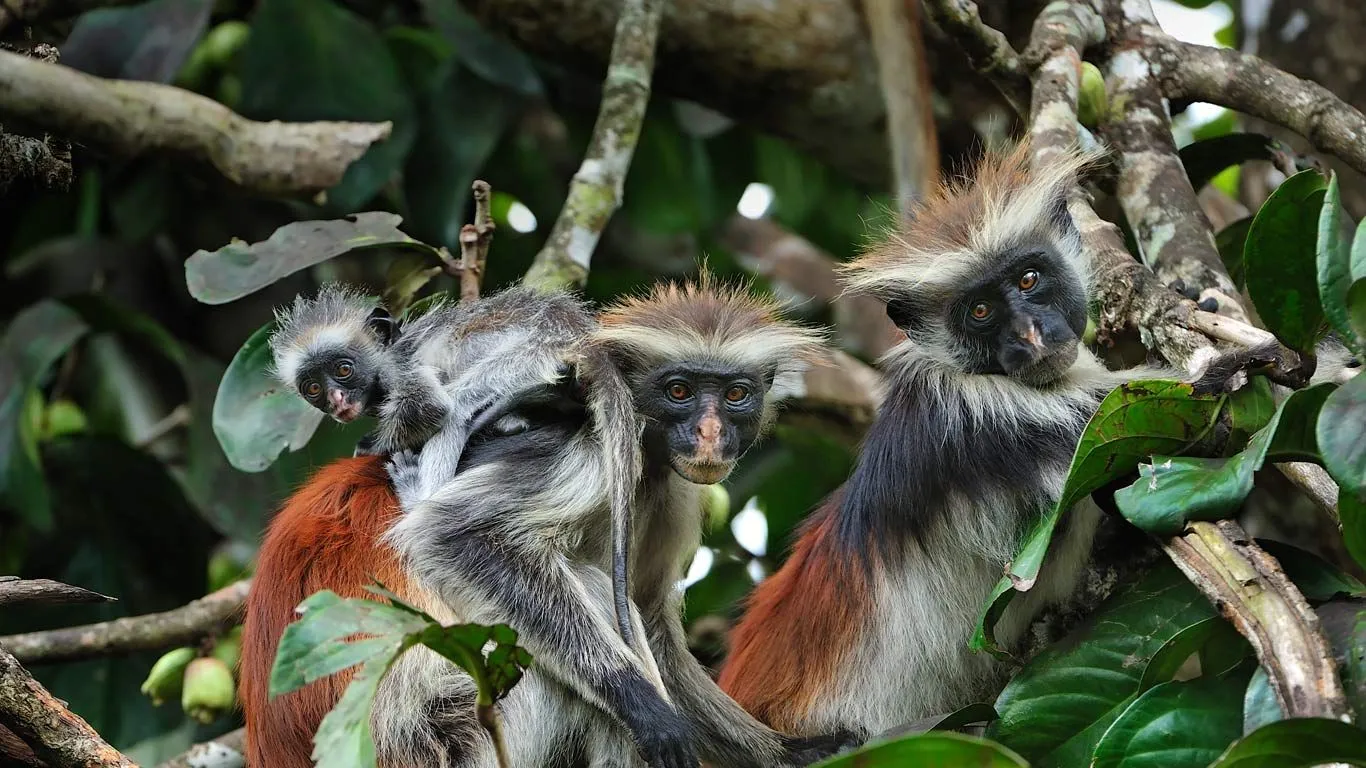
Zanzibar Travel Tip: You will want to see some of these beautiful caves for yourself, not only for the historical significance but also for the sheer natural beauty. Combine this with a trip to Jozani Forest for a truly enchanting experience.
The Arabs arrived in Zanzibar sometime in the 1st Century AD, immediately they loved the island because it offered them a protected harbor to trade from. Centuries later, Vasco da Gama brought colonial influence to Zanzibar and the archipelago became a Portuguese possession.
It didn’t just stop there – two centuries later, the Omani Sultanate ousted the Portuguese rather than unceremoniously. Their motive – profits from trading in cash crops and ivory tusks from elephants of Africa’s mainland.
Many spice plantations were started around this time, especially around Zanzibar Town, most of which are still thriving.
Zanzibar Travel Tip: There are many plantations around Zanzibar Island, if you decide to visit one, prepare to be amazed by the sheer amount of produce and their obvious value in treating aliments.
Photo of Zanzibar Cloves
It was around the same time that farming and fishing gained in popularity, especially in the northern and southern parts of Zanzibar. As the population increase, the locals found it necessary to farm more food.
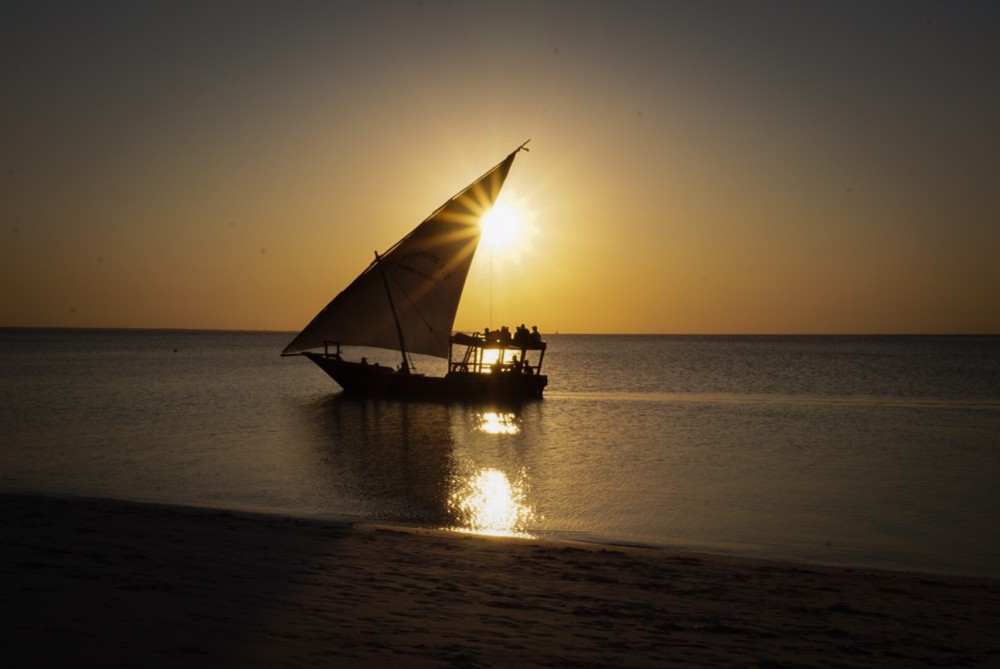
Zanzibar Travel Tip: Visit Nungwi – the original Dhow builder’s beach in the North, to see the centuries – old tradition of dhow fishing still be continued. The village itself will transport you into a different world filled with enthusiastic tourists, colorful guesthouses and loud music, it is quite an experience. You will want to check out the turtle sanctuary here, the Mnarani Aquarium, built to save the dying species. Nungwi and its neighbor Kendwa, are often touted as the best examples of Zanzibar Beach areas.
During the time of Omani rule Zanzibar became famous for the African slave trade.
Captured slaves from the interiors of Africa were held in underground caves before being auctioned off. American and European colonies everywhere wanted slave labor in exchange for rum, sugar and other goods.
Zanzibar Island came to be known all over the world as the island of spice and slaves and eventually the British intervened. Slave trade was abolished in the 1890s and the peace-loving people of Zanzibar returned to their fishing and spice trading ways. The dark secrets are still buried in the heart of Zanzibar though-in Stone Town and other region of this island paradise.
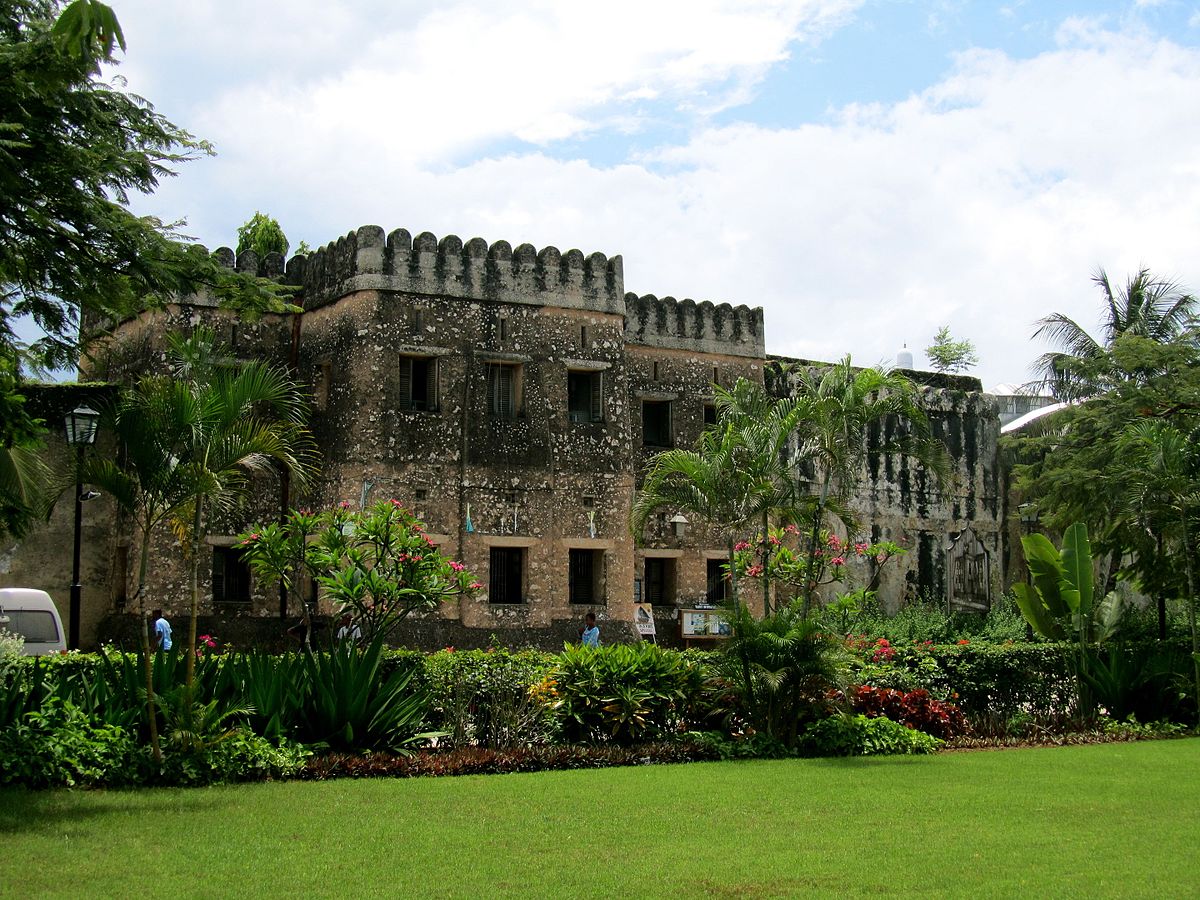
Zanzibar Travel Tip – Stone – the epicenter of Zanzibar and a UNESCO World Heritage Site, has barely changed in the last 200 years. A Cultural Walk through the winding alleyways, overhanging merchant balconies and abandoned building here will take you deep into the centuries of history this town has witnessed.
You will see the House of Wonders – which was the first place to get running water, electricity and an elevator in Zanzibar. However, it is the harsh stories of cruelty that will really strike a chord with you
Stone Town played host to one of the last slave markets in the world.
Also, you will find old limestone slave cells along the coast, not far from Stone Town, with final messages etched into the stones by slaves waiting to be shipped off to their “masters”. Follow this up with a visit to the ruins of the Omani Palace and a swim in blue waters of the Mangapwani Beach.
In 1963 Zanzibar gained independence from Britain, only to be immersed in a bloody revolution when thousands of Arab and Indians were brutally massacred. A year later Tanzania was formed when Zanzibar and Tanganyika united, and Zanzibar became a semi-autonomous region.
“Today Zanzibar is a growing economy, dependent on the trade of species and on tourism”
The natural beauty, historical significance and rich cultural heritage of Zanzibar, still call out to the wanderlust in the discerning traveler’s heart.
Speak to one of our Africa Experts today to plan your private, tailor-made and totally authentic trip to Zanzibar and Tanzania.
