HOW MUCH DOES IT COST TO CLIMB MOUNT KILIMANJARO?
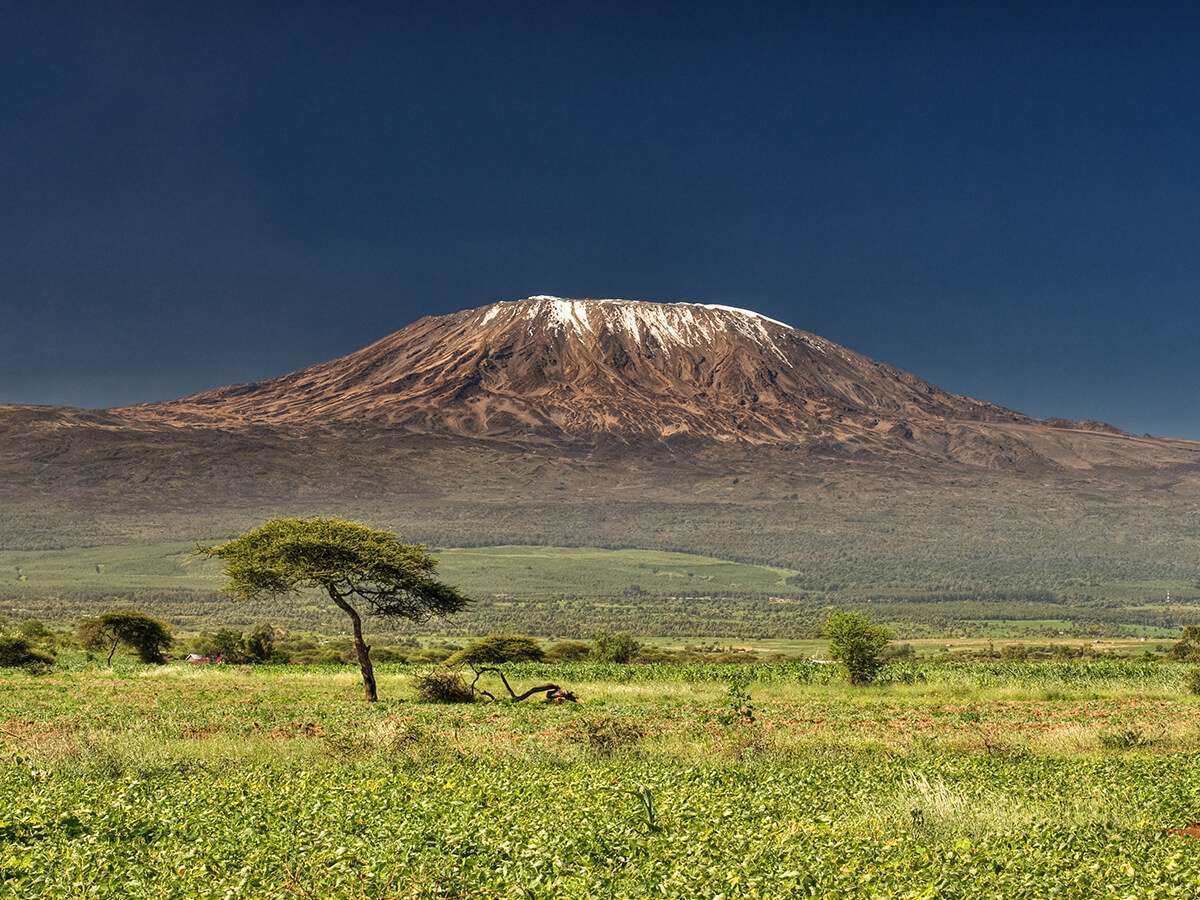
Climbing Mount Kilimanjaro – the tallest Mountain in Africa and the tallest free-standing mountain on earth a dream come true to most climbers, Mountain Kilimanjaro standing at 5,895 meters can be climbed using different routes.
Each of these climbing routes offer a different climbing challenge and the mountain allows every climber to reach the top.
Whether you are a beginner, an intermediate trekker or an experienced mountaineer. There is always a perfect route for you to climb to the top of the mountain, when planning a climbing adventure to Mountain Kilimanjaro.
The most commonly asked question is “How much does it cost to climb Mount Kilimanjaro”.
The cost of climbing Mount Kilimanjaro can cost around $ 1,500 to $ 6,000 or more per person depending on the size of the group. When climbing as a group, there are sharing cost benefits thus lowering the cost.
Each Mount Kilimanjaro Climbing Package covers full board accommodation covers full board accommodation on the mountain, crew salaries, climbing fees, porters, professional mountain guides. Tents/huts and all accommodation for pre or post – climbing. Either in Moshi or Arusha.
The big part of the cost of Mount Kilimanjaro Climbing is paid to the government and these costs are inclusive of the final price you receive from your tour operator.
Here is a breakdown of the Mount Climbing Expenses
Conservation fees per day (all routes)
- US$ 70 for all individual above the age of 16 years
- US$ 20 between the age of 5 and 15 years
Public Campsite Fee Per Night
- US$ 50 for above the age of 16 years
- US$ 10 between the age of 5 and 15 years
Hut Fee
- US$60 per night (of or above the age of 16 years)
- US$20 per night (between the age of 5 and 15 years)
Rescue Fee
- -US$20 per person per trip
- The above cost is exclusive of 18% VAT
- Staff, transportation, etc. = $80 to $150
- Food = $15 to $20
Other administrative costs and extra expenses including special beverages or orders not include in the package
Recommended tipping for the team on Mount Kilimanjaro. (per person per day)
- $20 per guide, per day
- $15 per cook, per day
- $10 per porter per day

Is it Possible to Climb Kilimanjaro Without a guide?
The answer is No.
As per directives from the government of Tanzania with KINAPA (Kilimanjaro National Park Authority), it is mandated that no climb should be done without registration licensed guides and the climbing permit should be requested by tour operators.
All climbers to Kilimanjaro should have proper climbing gear and cooking equipment. Also, all climbers are required to have porters and other relevant members of the support crew.
Some tour operators offer cheaper packages that involve fewer members of the creater, these cheaper packages usually do not include porters so trekkers have to carry more things. The weight limit that each trekker is allowed to carry 12kg, a porter is required for the safety of each traveler as well as increasing the chances of reaching the summit.
When is the best time to climb Mount Kilimanjaro?
The weather in Kilimanjaro is very unpredictable, it is better to know the common weather of the mountain before you decide to book your tour. The dry season is a good time to climb the Mount Kilimanjaro because you will enjoy nature and good views.
The dry season is from December through the beginning of March and from late June through the end of October, June to December.
The Peak Season is from August to September and the heavy rainy season is from the end of March to the Middle of May.
What Climbing routes for Mount Kilimanjaro?
Mount Kilimanjaro offers six routes to its peak, though out of the 6 are the best routes for climbing while the Mweka Route is for descending from other routes.
Knowing the climbing routes is ideal for you to pick the right one, you have to consider your level of experience, budget and your schedule. If you are traveling with other climbers, you have to mind their preferences and experience.
How Many Days Do You Need for Kilimanjaro Climbing?
The length of Kilimanjaro treks range from 5 days to 10, but mot guides recommend at least 6 days to 8 giving you ample time for acclimatization.
Here are the available routes to Kilimanjaro.
Marangu Route
Also known as the Coca – Cola Route, Marangu is the Park Headquarters of Kilimanjaro National Park. The route begins in the southeast and approaches Uhuru Peak via Gilman’s Point. It is possible to climb vivia the Marangu Route for 5 days or 6 Days.
Marangu is the only route that offers hut accommodation for the entire climb. But also uses the same trail for both ascending and descending.
The Mahundi Crater and Zebra Rocks are some of the attractions you will see on the Marangu Route.
Marangu Route is the best route on Mountain Kilimanjaro for hikers for don’t prefer steeper paths. But it is better to keep in mind that the summit nights are always steeper.
Machame Route
Also known as the Whisky Route, the Machame Route is one of the most popular routes on Mount Kilimanjaro, it is very scenic providing hikers with incredible views and varying landscapes.
Compared to the rest of Kilimanjaro routes except the Umbwe Route, the Machame Route is difficult to climb. It is also where both routes climbers (climbers on Umbwe and Machame) are able to ascend the Barranco Wall.
The Machame Route is the best of all routes and good for climbers who are fit with climbing experience. Climbers use a different route for descending. The Mweka Route is on the southside of the Kilimanjaro.
You can climb Kilimanjaro via the Machame Route for 6 days or 7 days depending on time, budget, or fitness. One of the attractions you can see on the Machame Route is the Shira Caves.
Lemosho Route
The Lemosho Route is the most beautiful route on Mount Kilimanjaro. Visitors on this route start their hikes in the rainforest and cross the spectacular Shira Plateau.
The route combines with the Machame Route to the southern Circuit and it has a longer distance to cover in the rainforest ecosystem than other routes.
Climbers on Lemosho Route meet with other climbers from the Machame Route at the junction that leads to the Lava Tower.
Climbers who want to spend many days on Mount Kilimanjaro should use the Lemosho Route, this route offers 8 and 7 days of climbing.
The Lemosho Route is one of the best – recommended routes for altitude acclimatization and it has a high success rate for Mount Kilimanjaro climbing.
Umbwe Route
The Umbwe Route is the most difficult route but very short, and is less traveled by Mount Kilimanjaro climbers.
This route was before used to pass through Western Breach and Arrow’s Glacier path to the summit. But due to a tragic rock fall, the approach via the Western Breach closed. One year later, it was reopened but due to its difficulty and safety risks, it is not well recommended. Instead, the Umbwe Route joins the Machame Route at Barranco Camp.
Umbwe Route offers a six days or seven days climb for Mount Kilimanjaro.
It follows the southern circuit to the summit and descend through the Mweka Route.
Rongai Route
The Rongai Route starts from the North-East and passes through the Saddle. Which is situated between Kibo and Mawenzi Peak to approach the summit via Gilman’s Point.
The route descends via the Marangu Route, it is flatter than the other Kilimanjaro routes. But because of its profile, it does not offer trekkers good options to climb high and sleep low.
Rongai Route is very beautiful as it passes through the rainforest and remote wilderness. Yet it is not as varied as Machame and Lemosho. It is possible to climb for 6 days or 7 Days.
Mweka Route
Mweka Route is the shortest route from a road head to the summit, it is a special descending route for hikers from Machame, Lemosho and Umbwe Routes.
It is also useful for re-supplying fresh food to Karanga camp or Basecamp.
Mweka Route has two campsite. The first campsite from the base camp is Millennium, and the last campsite on the way down to the gate is Mweka. The accommodation on the way up and down is camping with mobile tents carried by porters.

What is the extra cost of Mount Kilimanjaro Climbing?
International flights
Flights to and from Tanzania take up a large fraction of the travel budget. There are a number of airlines offering flights to Tanzania depending on your departure country. Most flights are one-or-two stop flights.
For relatively cheaper flight, book early and take advantage of the ongoing promotions.
Visa
Just like traveling to any other country, you need a visa to travel to Tanzania. Some citizens who belong to visa-exempt countries may get their visas upon arrival. Single-entry visas on arrival cost $50 for most countries and $100 for US passport holders. Multiple-entry visas on arrival cost $ 100 and transit visas are $30, valid for 14 days.
Mount Kilimanjaro Climbing Equipment
For a successful trek on Mount Kilimanjaro, you need to be properly geared up. The important gear you need to bring includes good-quality hiking boots, extreme weather sleeping bags, duffel bag, walking poles, layered clothing, headlamp, daypack, and insulated water bottles.
If you have some of these equipment, you have saved a lot of money.
If not, make sure you buy reliable equipment. Prices vary depending on the brand. Quality, and other factors like sales and promotions.
Vaccinations and Medications
When entering Tanzania, you are advised to get a Yellow Fever Vaccination Card, which costs around $100 for a shot if you are coming from any of the countries with a risk of Yellow Fever Virus.
Other than that, CDC does not recommend getting a vaccine unless you are staying for a long time. Or you are going to be exposed to mosquitoes. Other vaccinations that recommended are routine vaccines such as MMR (Measles Mumps Rubella) vaccine and DPT (Diphtheria Polio Tetanus) booster. As well as Hepatitis A vaccination.
Also, keep in mind that Tanzania is a known malaria area. Although trekking up the mountain lowers your risk, it is better to be on the safe side. You can bring malaria tablets and maintain precautions by using mosquito repellents. Wear clothes that cover your extremities, and stay indoors after dusk.
Pre-post climbing Food and Accommodation
Food and accommodation outside the mountain (before and after the climb). It May or may not be provided by the tour operator, especially if you plan to stay longer in Tanzania.
Rates will depend on your type of accommodation. The place you are going to stay in Moshi or Arusha provide affordable rates, and the number of days of stay and the season of your travel.
Safari add-on for Mount Kilimanjaro
If you plan to have other activities like safari drivers and other visits, you need to set aside some money for that. Depending on what you plan to do or where you plan to go, prices can go as low as $180 and as high as over $1,000 per person per day.
Miscellaneous
These expenses, especially unforeseen ones are inevitable on any trip. Miscellaneous includes public transportation which costs around $1.60 per hour. For local buses and minibuses (Dalla-Dalla), and higher prices for luxury buses.
